What Is a Vintage Book? A Collector’s Guide
In the world of book collecting, the term “vintage” is often used, but what exactly qualifies a book as vintage? For collectors and bibliophiles, understanding the nuances that define a vintage book is essential. These books, often reflecting the cultural and literary trends of their time, hold a special place in the hearts of readers and collectors alike. A well-preserved vintage book is not just a window into the past; it’s a piece of history, brimming with the stories of both its content and its journey through the years.
Defining a Vintage Book
The term “vintage” generally refers to items that are at least 50 years old but not more than 100 years old. For books, this means publications that were printed between the 1920s and the 1970s often fall into this category. Unlike antique books, which are over a century old, vintage books are more accessible yet still offer a unique glimpse into the past.
While antique books might be treasured for their rarity and historical significance, vintage books are often sought after for their nostalgic value and their representation of a particular era. These books may not be as old as antiques, but they often carry significant cultural value, representing the literature, design, and printing techniques of a specific period.
Key Characteristics of Vintage Books
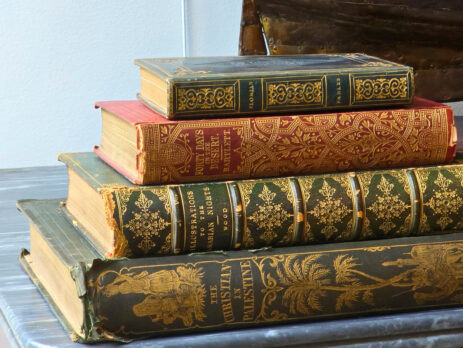
Cover and Binding: One of the first aspects that might indicate a book is vintage is its cover. During the mid-20th century, book covers transitioned from the ornate designs of the previous centuries to simpler, more modern aesthetics. Cloth or leather bindings were common, and the condition of these materials can greatly affect the book’s value.
Paper Quality: The type of paper used in vintage books often differs from modern publications. Vintage books may use thicker, more durable paper, although the quality can vary depending on the publisher and the book’s original price point.
Printing Techniques: Many vintage books were printed using letterpress, a technique where text is pressed into the paper, creating a tactile impression. This method was gradually replaced by offset printing as technology advanced.
Dust Jackets and Illustrations: Original dust jackets, if preserved, can add significant value to a vintage book. Illustrations in vintage books might include hand-drawn or early color printing techniques, adding to the book’s uniqueness.
How to Identify a Vintage Book
Publication Date and Edition: The publication date is the most straightforward indicator of a book’s vintage status. However, first editions of popular works from this era can be particularly valuable. Checking for a first edition is often as simple as looking at the publication information on the title page or the copyright page.
Publisher and Imprint: The publisher’s imprint can also help determine a book’s vintage status. Some publishers had distinct styles or series that are now considered iconic.
Condition and Preservation: The condition of a vintage book significantly impacts its value. Books that have been well-preserved, with minimal wear and tear, intact bindings, and original dust jackets, are often more desirable to collectors.
3 Examples of Must-Have Vintage Books
For those interested in starting or expanding their collection, here are a few notable examples of vintage books:
- Le Juif Errant est Arrivé by Albert Londres: Released in 1930, this work by one of France’s most famous investigative journalists provides insight into early 20th-century European views on Jewish diaspora communities. The book’s condition and its relevance to social history enhance its value.
- Extérieurs à Venise by Frédéric O’Brady: This 1954 publication captures the architectural beauty and mystique of Venice. Its vivid descriptions and period photography make it a desirable item for collectors interested in travel literature and European history.
- Le Pays des Alaouites by Jacques Weulersse: Published in 1940, this book explores the Alaouite region, offering valuable insights into the history and culture of a region less frequently covered in Western literature. The book’s vintage status is complemented by its relevance to Middle Eastern studies.
These examples illustrate the breadth and depth of vintage literature, each offering a unique window into the past.
Vintage books are more than just old volumes; they are pieces of history that continue to resonate with readers today. Whether you’re a seasoned collector or just beginning to explore the world of vintage books, understanding what makes a book vintage can enhance your appreciation and guide your acquisitions. Explore the library at The Book Heritage to find your next literary treasure.