

How to Bind an Old Book?
Bookbinding is an essential skill for preserving the integrity and longevity of old books. According to a study by the International Federation of Library Associations and Institutions (IFLA), approximately 40% of old books in libraries suffer from damaged bindings, making them susceptible to further deterioration.
By learning how to bind an old book, you can help protect these valuable works for future generations. Whether you’re a collector or simply someone who cherishes the written word, mastering the art of bookbinding can be both rewarding and practical.
Understanding the Basics of Bookbinding
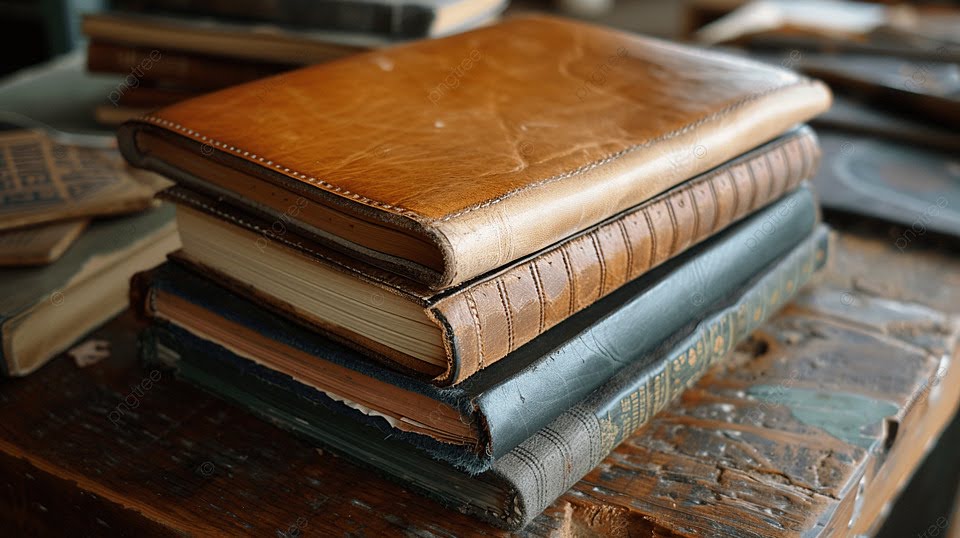
Bookbinding is the process of physically assembling a book from an ordered stack of paper sheets. While modern methods rely on machines, traditional binding methods are still highly valued for their durability and aesthetic appeal. For old books, particularly those of historical or sentimental value, choosing the right type of binding is crucial. Popular options include 3/4 leather binding, where the spine and corners are bound in leather, and full leather binding, where the entire cover is leather-bound.
Tools and Materials Needed
Before starting the binding process, gather the following tools and materials:
- Binding thread and needle: Essential for re-sewing the book’s signatures (the individual sections of the book).
- Glue (PVA or bookbinding glue): Used to secure the spine and attach the cover.
- Clamps: For holding the book in place while the glue dries.
- Cover material (leather, cloth, or paper): Depending on the binding style, this will be used for the outer cover.
- Bone folder: A tool for creasing and folding the paper evenly.
- Cutting mat and knife: To trim the edges and prepare the cover material.
Preparing the Old Book for Binding
The first step in the binding process is to assess the condition of the book. If the book has a deteriorating spine or loose pages, these issues should be addressed before binding. Clean the pages carefully to remove any dust or dirt, and repair any torn pages using archival tape. Preparing the spine involves removing any old glue and ensuring it is smooth and even for re-binding.
Step-by-Step Guide to Binding an Old Book
Step 1: Removing the Old Binding
If the book has an existing binding that is damaged, carefully remove it. Use a sharp knife to cut through the old cover and gently peel it away from the spine.
Step 2: Re-sewing the Signatures
The signatures need to be re-sewn to secure them. Use a binding needle and thread, sewing through the original holes or creating new ones if necessary. Ensure the signatures are tightly secured to prevent future loosening.
Step 3: Gluing and Pressing the Spine
Apply a thin layer of glue to the spine, making sure to cover all the threads and edges. Use clamps to press the book together while the glue dries, ensuring a strong bond.
Step 4: Attaching the Endpapers
Endpapers are the sheets that attach the book block to the cover. Cut the endpapers to size and glue them to the inside of the first and last pages. This step adds durability and a finished look to the book.
Step 5: Creating and Attaching the New Cover
For a 3/4 leather binding, like the one used in “Voyage en Orient – Grèce, Turquie, Egypte” by Amable Régnault, cut the leather for the spine and corners and use a contrasting material for the rest of the cover.
For a full leather binding, similar to “L’Heptaméron ou l’Histoire Des Amans Fortunez” by Marguerite de Navarre, the entire cover is made from a single piece of leather. Attach the cover to the book by gluing it to the spine and pressing it down evenly.
Step 6: Final Touches and Pressing
Once the cover is attached, press the book one final time to ensure everything is securely in place. Trim any excess material and smooth out any wrinkles or bubbles in the cover.
Common Mistakes to Avoid
While binding an old book, it’s easy to make mistakes that could compromise the integrity of the book.
- Avoid using too much glue, as this can seep into the pages and cause them to stick together.
- Ensure that the spine is aligned correctly before pressing, as any misalignment can result in a crooked book. Taking your time and being meticulous with each step will yield the best results.
Caring for Your Newly Bound Book
- After the binding process is complete, proper care is essential to maintain the book’s condition. Store the book in a cool, dry place, away from direct sunlight.
- Handle the book with clean hands, and avoid placing heavy objects on top of it.
- Regularly dust the book and check for any signs of wear, addressing them promptly. For more detailed tips on maintaining your literary treasures, check out our guide on how to preserve old books.
Bookbinding is a skill that not only preserves the physical structure of a book but also its history and legacy. By learning how to bind an old book, you contribute to the preservation of literary treasures for future generations. If you’re ready to explore or invest in beautifully bound books,
The Book Heritage is your go-to destination for rare and antique finds. Browse through the library and find your perfect piece!
