

The Art of Collecting Book Ephemera
In the world of literary treasures, one form of collecting has quietly grown in prominence—collecting book ephemera. This fascinating pursuit focuses not just on the books themselves, but on the peripheral items that give context and depth to a book’s history. From bookmarks and dust jackets to handwritten notes and promotional flyers, these fragile pieces of history were never meant to last, yet they have found a place in the hearts of collectors. According to Statista, the book market continues to evolve, with digital formats growing in popularity, yet printed ephemera remains a valuable resource for understanding historical contexts. As interest in collecting book ephemera grows, enthusiasts are discovering the unique stories these items can tell, deepening their connection to the literary world in unexpected ways.
What Is Book Ephemera?
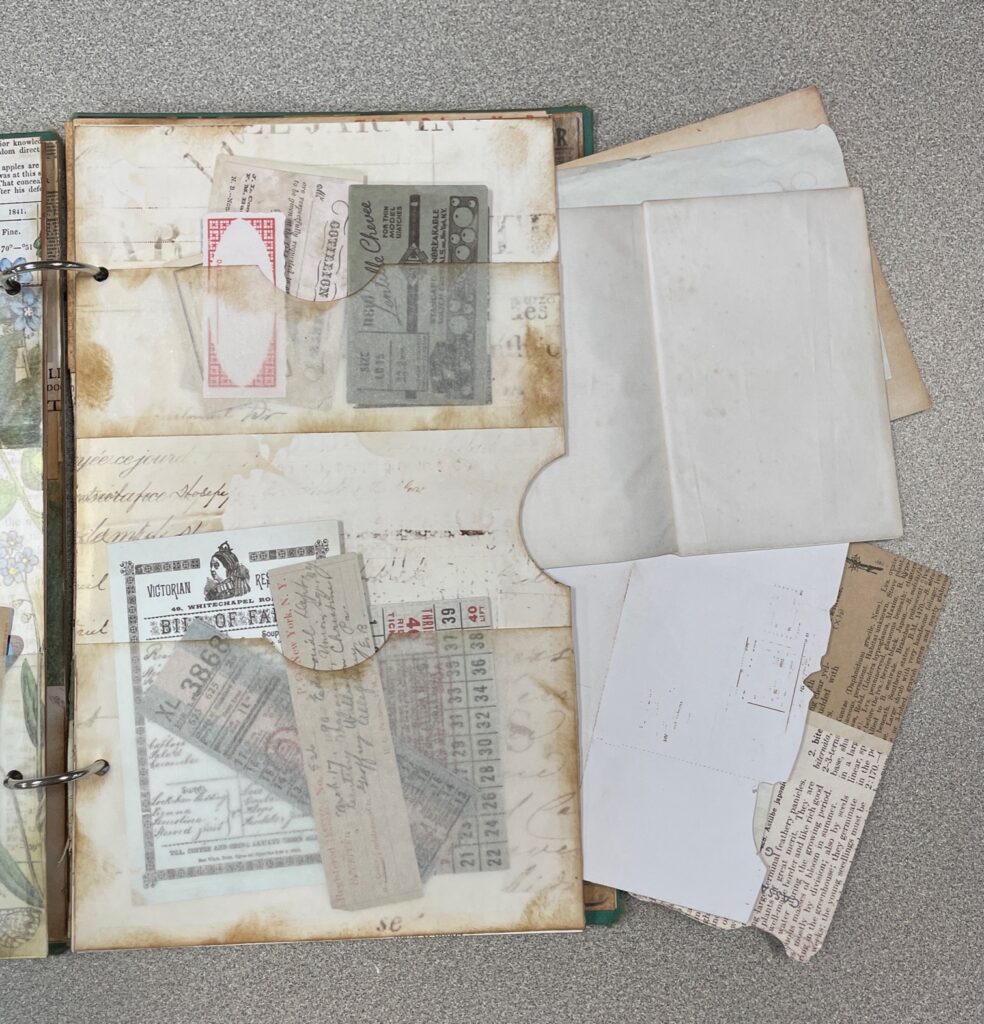
Book ephemera refers to the transient, often overlooked items that accompany books during their journey from publisher to reader. Examples include dust jackets, promotional materials, event programs, and even handwritten notes or letters tucked into the pages. While these items were typically discarded after serving their purpose, those that survived have become rare and valuable, providing unique insights into the book’s publication history, ownership, and cultural impact. For collectors, the allure of book ephemera lies in its ability to offer a snapshot of the time period and context in which a book was originally released.
Why Collect Book Ephemera?
Collecting book ephemera is about more than just owning fragments of paper. It’s about preserving a piece of literary history. Ephemera can enhance the narrative of a book by adding layers of meaning and historical context. For example, a signed letter from an author, a first-edition dust jacket, or an original promotional flyer can offer insights into the book’s reception and the author’s relationship with readers. These pieces tell a story that complements the book itself, making them invaluable to both casual collectors and dedicated bibliophiles. Moreover, the rarity and condition of ephemera make it a highly sought-after category within the larger realm of book collecting.
Types of Book Ephemera and Their Value
The world of book ephemera is vast and varied. Some of the most common types include:
- Dust jackets: Early edition dust jackets, especially those from the 19th and early 20th centuries, are highly prized as they were often discarded by readers.
- Signed letters: Handwritten notes or letters from authors provide a personal connection to the literary world and can significantly increase a book’s value.
- Promotional materials: Flyers, posters, and other advertising materials give insight into how books were marketed and received by the public.
- Bookplates: Personalized bookplates, especially those from famous figures, can add an extra layer of significance to a book.
The value of these items depends on several factors: rarity, condition, and provenance. Ephemera that is linked to famous authors or events is particularly valuable, with some pieces fetching prices that rival the books they accompany.
Tips for Starting Your Own Collection
If you’re new to collecting book ephemera, there are a few tips to help you get started:
1. Focus on a Theme or Specific Authors: Start by narrowing your focus to a specific genre, time period, or author. For example, you might collect ephemera related to 19th-century literature, early 20th-century science fiction, or even materials tied to a specific author, such as promotional materials from Charles Dickens or first-edition dust jackets of Ernest Hemingway’s works. By focusing on a theme, you can create a cohesive collection that offers a more in-depth look into a specific area of literary history.
2. Attend Book Fairs, Auctions, and Estate Sales: Book fairs and auctions are treasure troves for finding rare and valuable ephemera. Estate sales can also be excellent hunting grounds, as personal collections often contain hidden gems that haven’t been seen by the public. Don’t be afraid to network with other collectors, dealers, and auction houses—they can provide valuable leads and insights into upcoming events where you might find the perfect pieces. Keep an eye on auction catalogs and attend local book fairs to expand your collection.
3. Preserve and Protect Your Collection: Book ephemera, by nature, is often fragile. Items like paper, bookplates, or dust jackets are prone to tearing, fading, and deterioration if not properly cared for. Store your items in acid-free folders or plastic sleeves to protect them from environmental damage. You may also want to invest in climate-controlled storage, as fluctuations in temperature and humidity can cause damage over time. When displaying your ephemera, use UV-protected frames or glass to shield your pieces from sunlight, which can cause them to fade.
4. Research Provenance and Authenticity: Before making a purchase, it’s important to verify the provenance and authenticity of the item. For instance, is the signed letter you’re considering actually written by the author, or is it a facsimile? Understanding the history and origin of the item can increase its value and ensure that your collection is composed of genuine pieces. Research the item’s background, consult with experts if needed, and ask sellers for any available documentation. Authenticity plays a crucial role in determining the historical significance and worth of ephemera.
5. Start Small but Aim High: You don’t need to begin your collection with high-value items. Many collectors start with smaller, less expensive pieces, such as promotional postcards, bookmarks, or bookplates, and gradually work their way up to rarer, more valuable items. Building a collection over time allows you to learn more about the market and develop a keen eye for spotting rare finds. However, it’s also important to aim high—don’t be afraid to invest in significant pieces when the opportunity arises, as these can serve as centerpieces for your collection.
6. Connect with Other Collectors: Joining a community of collectors, either locally or online, can be incredibly beneficial. Engaging with others in the field allows you to share knowledge, resources, and tips. Consider joining organizations such as The Ephemera Society or attending conventions where collectors gather. These communities often have forums, newsletters, and events where members can exchange insights and showcase their collections. Networking can also help you discover opportunities to purchase rare items that may not be available to the public.
7. Document Your Collection: As your collection grows, it’s important to keep detailed records of your items, including their provenance, purchase price, and any historical significance. This documentation not only helps with organization but also adds value to your collection. Should you ever decide to sell or donate your ephemera, having clear records will make the process smoother. Many collectors also enjoy writing notes about their items, describing the context in which they were found or the stories behind them, adding a personal touch to the collection.
Examples from The Book Heritage
At The Book Heritage, we offer a wide selection of rare books that pair beautifully with collectible ephemera. For collectors looking to enrich their collections, consider these examples of books that could be enhanced with related ephemera:
- Vingt et Un Jours à la Mer Morte by Edouard Delessert
This limited edition book, numbered 32/53, is a first edition from 1851. Its rarity and significance make it a prime candidate for pairing with 19th-century travel ephemera related to the Dead Sea and surrounding regions. Collectors could look for maps, postcards, or letters from travelers of the time to enhance the book’s historical value. - Cent Jours en Orient by Louis de Romain
This travel narrative offers a compelling backdrop for collecting ephemera such as 19th-century travel brochures, event programs, or contemporary letters about expeditions to the Orient. - Ten Books by Virgil Candea
This rare collection of writings by the renowned historian Virgil Candea could be complemented with academic or research-related ephemera. For example, a signed letter from Candea or early book catalogs from his lifetime would serve as fitting companions to this collection.
Collecting book ephemera offers a unique way to connect with the past and enrich your understanding of literary works. Whether you are pairing a first-edition book with its original dust jacket or finding a handwritten letter that adds depth to a favorite novel, ephemera brings stories to life in new and unexpected ways. As you explore the world of collecting book ephemera, you’ll find that these fragile pieces of history offer a priceless window into the world of books and their place in our cultural heritage.
