

The Impact of Book Illustrations on Collectible Value
In the world of rare and collectible books, illustrations play a far greater role than simple decoration. They often serve as historical artifacts, artistic statements, and cultural markers that shape the desirability and monetary value of a work. Collectors and scholars alike recognize that an illustrated edition can elevate a book from a standard printing to a sought-after treasure, especially when the artwork reflects notable artistic movements, features a renowned illustrator, or appears in a limited or first edition. Understanding how illustrations influence collectible value reveals not only the evolving relationship between text and image but also the factors that drive demand in the rare book market. This exploration highlights the aesthetic, historical, and economic significance of illustrations in determining a book’s enduring appeal.
What is Considered an Illustration?
In a book, an illustration is any visual element created to accompany, explain, enhance, or decorate the text. It can take many forms, ranging from simple diagrams to elaborate artwork. Generally, an illustration is considered any image intentionally included as part of the book’s content rather than peripheral elements like publisher logos or modern advertisements.
Here are the visual elements typically classified as illustrations:
1. Drawings and Artwork such as hand-drawn images (using pen-and-ink, charcoal, pencil), watercolor or painted art, or engravings like woodcuts, copperplate engravings, or steel engravings.
2. Prints and Reproductions such as lithographs, etchings, mezzotints, and chromolithographs.
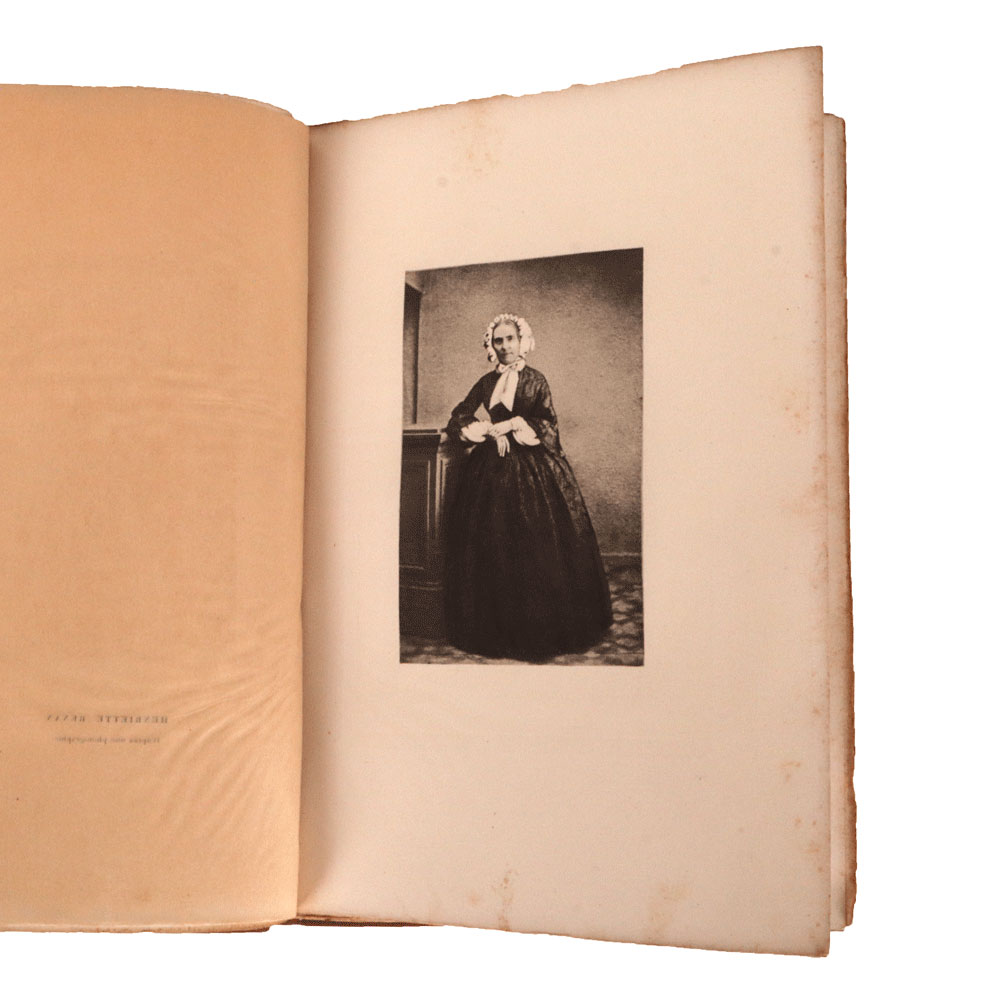
3. Photographs that are black-and-white or color and photo plates or tipped-in photographs that are mounted separately on special paper. https://thebookheritage.com/product-tag/with-engravings/
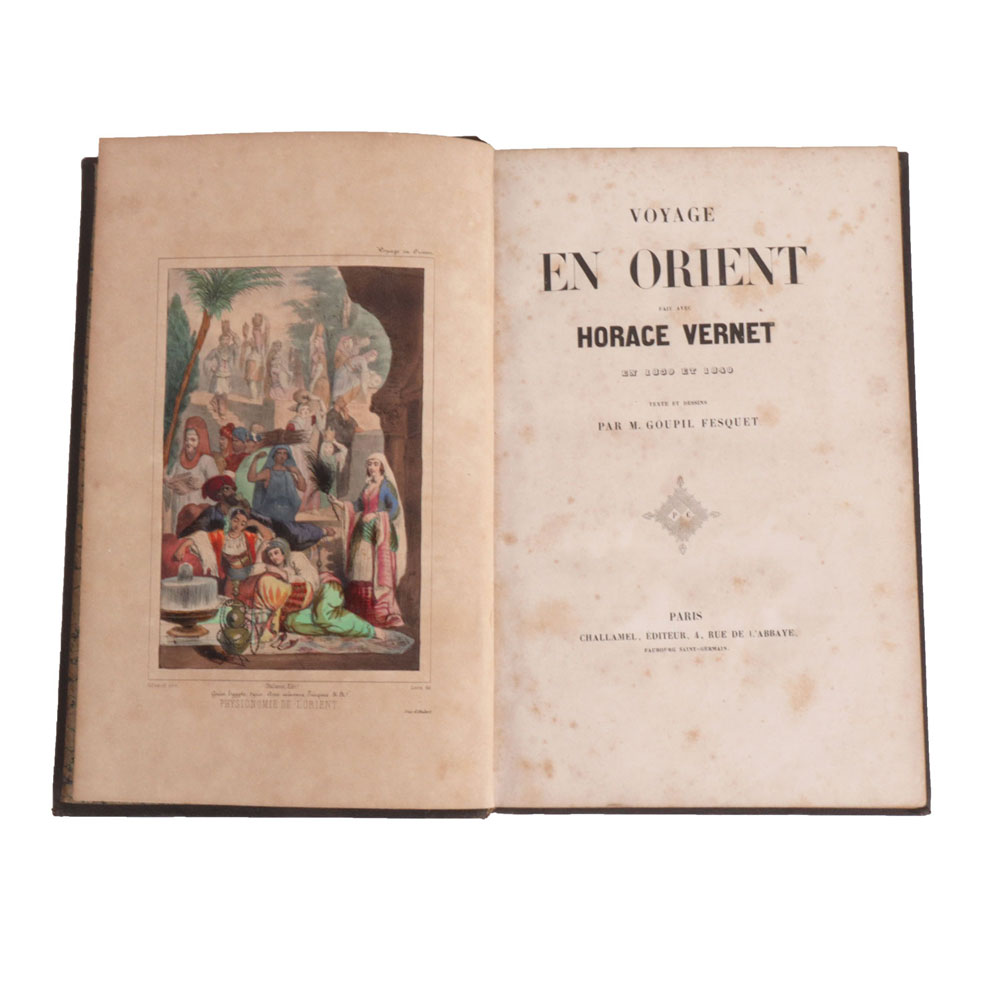
4. Plates are illustrations printed on a separate sheet and inserted into the book.
5. Decorative Elements which are visual details created to enhance aesthetic value, often also counted as illustrations such as vignettes, headpieces (images at the start of a chapter), tailpieces (images at the end of a chapter), ornamental borders or decorated initials (illuminated or embellished letters).
6. Maps, Charts, and Diagrams:
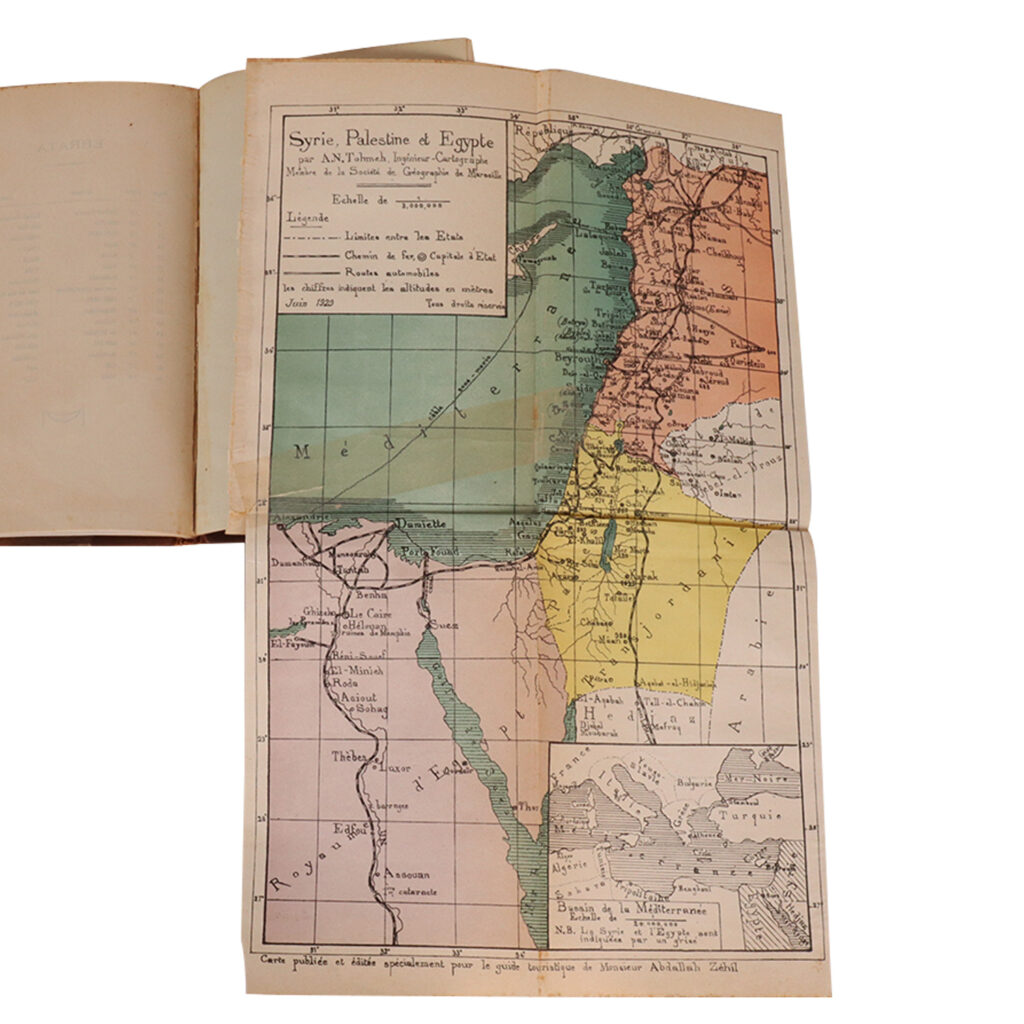
Book illustrations have long played a critical role in the perceived aesthetic, cultural, and financial value of printed works. For collectors, illustrations often serve as markers of artistic significance, historical context, and edition desirability. Whether hand-colored plates from the 18th century or limited-edition lithographs from the 20th, illustrations can dramatically elevate the collectible status of a book. https://thebookheritage.com/product-tag/with-maps/
So what is the multifaceted impact illustrations have on the secondary market, rarity, and long-term value of collectible books?
1. First Editions vs. Illustrated Editions:
1.1 Illustrated First Editions:
When an author’s or illustrator’s first published work contains original illustrations, these elements contribute significantly to collectible value. For example:
- First editions of classic children’s books are often prized specifically for their original artwork.
- Illustrated first editions tend to appreciate more than unillustrated counterparts in genres like fantasy, graphic literature, and natural history.
1.2 Later Illustrated Editions:
Sometimes illustrations are added only in later printings. These editions may also gain collectible status if:
- The illustrator is renowned.
- The illustrations represent a significant reinterpretation.
- Production quality (paper, printing, color plates) exceeds earlier editions.
2. Influence of the Illustrator:
2.1 Notable or Celebrated Illustrators:
The name recognition of an illustrator can dramatically raise a book’s market value. Works containing illustrations by artists such as Arthur Rackham, Salvador Dalí, N.C. Wyeth, or Edward Gorey are highly sought after for their stand-alone artistic merit. In some cases:
- The illustrator’s signature or inclusion of limited plates may increase value more than the author’s branding.
- Collectors of specific artists may pay premiums for editions that capture key periods in the illustrator’s career.
2.2 Emerging Artists and Niche Markets:
Illustrations by lesser-known or rising artists can later become valuable as their careers develop or simply as time passes. Collectible value may increase when:
- An artist’s later fame retrospectively elevates their earlier illustrated works.
- Small-press or private-press editions showcase early creative experimentation.
https://thebookheritage.com/product/souvenirs-dun-marchand-de-tableaux-by-ambroise-vollard/ Photo
3. Production Methods and Materials:
3.1 Hand-Colored Illustrations:
Hand-colored plates, common in the 18th and 19th centuries, significantly increase value because:
- Each copy is unique.
- The labor-intensive process limits production numbers.
- Vibrant, well-preserved plates are rarer due to fading and handling.
3.2 Printing Techniques:
Limited or once-novel production methods hold special importance to collectors since one of the following methods is usually used:
- Wood engravings, copperplate etchings, lithographs
- Pochoir (hand-colored stencil technique)
- Chromolithography
3.3 Artist’s Proofs, Frontispieces, and Tipped-In Plates:
Elements such as the below often increase an edition’s premium appeal by adding features not found in general trade printings:
- Frontispiece illustrations serve as a visual introduction to the book, placed on the page facing the title page of a book, usually on the left-hand, or verso page.
- Tipped-in art plates are illustrations or images that are printed separately from the main text and then attached to the pages of a book using glue or a thin strip of adhesive along one edge.
- Artist’s proofs (often abbreviated as “AP”) are a special early print of an illustration created during the printing process. Originally, they were used by the artist to check the quality and details before the final edition was produced.
- A remarque drawing is a small, original drawing or sketch added by the artist, usually in the margin or blank spaceof a printed plate or page.
4. Condition and Completeness:
Collectors place high emphasis on intact illustration plates, non-foxed and unfaded artwork, properly bound inserts, and absence of tears or staining. Books missing illustrated components often lose a substantial portion of their value, sometimes upwards of 50–70%. The condition of the book becomes even more important when dealing with:
- Fragile illustrated pages prone to foxing (e.g., 19th-century plates)
- Color illustrations printed on separate, heavier stock
- Oversized art books susceptible to shelf wear
5. Limited Editions and Fine Press Books:
Small-run illustrated editions from presses like the Kelmscott Press, Golden Cockerel Press, or the Limited Editions Club, are especially prized because:
- Illustrations are often commissioned exclusively for that printing.
- High-quality binding, paper, and printing methods boost collectible value.
- Editions usually include artist signatures, numbered limitations, or special portfolios of prints.
Illustrated limited editions often experience stable or increasing long-term value due to their inherent scarcity and craftsmanship.
6. Genre-Specific Impacts:
6.1 Children’s Literature:
- Original illustrated editions are often the most valuable.
- Early state illustrations (prototype or variant art) can raise prices dramatically.
6.2 Fantasy and Science Fiction:
Illustrations, especially dust jacket art, often define the value of early fantasy and sci-fi texts. A pristine dust jacket with original cover art can multiply value many times over.
6.3 Natural History and Scientific Works:
Illustrated natural-history volumes (featuring flora, fauna, exploration…) are highly collectible due to:
- Scientific accuracy of plates
- High production values
- Limited early print runs
Works like those by Audubon or Gould are prized specifically for their illustrations.
7. Market Trends and Digital Influence:
- Renewed Interest in Illustrated Physical Media: In an era of digital reading, collectors increasingly value physical books with high craftsmanship, unique illustration styles, and creative or artisanal production.
- The Rise of Artist-Centric Collecting: Modern collectors often follow specific illustrators, blurring the line between book collecting and art collecting.
What are the Risks of Reprints Affecting Market Value?
High-quality reprints or facsimiles can reduce demand for lesser-quality originals and increase demand for well-preserved true firsts.
To conclude, illustrations bring stories to life, engaging readers’ imaginations in ways that text alone cannot. This emotional and nostalgic appeal adds a unique layer to collectible value, as illustrated books evoke memories, wonder, and a tangible connection to the past. Their collectible status reflects the human desire to preserve and cherish both art and story. Illustrations do more than enhance a book’s appearance—they preserve artistic and cultural heritage. Their presence transforms ordinary texts into artifacts that capture the style, values, and creativity of a particular time. As such, illustrated books remain highly sought after, not only for collectors but also for scholars and enthusiasts who appreciate the intersection of literature and visual art.
To indulge in the world of old and antique books, visit www.thebookheritage.com and check out the different and unique styles of books ranging from the 18th and 19th century to German-written.
