

How To Store Vintage Books
How to Store Vintage Books is a question every collector should ask when it comes to preserving these priceless pieces of history. Vintage books are delicate treasures, often vulnerable to environmental factors like humidity, temperature fluctuations, and light exposure, which can cause fading, warping, or brittleness. Learning how to store vintage books properly ensures their longevity, allowing them to retain their charm and historical significance for generations. Follow these expert tips to safeguard your collection and keep your treasured books in pristine condition.
Ideal Storage Conditions for Vintage Books
1. Optimal Temperature and Humidity Levels
Books should be stored in a stable environment with a temperature between 16º-19ºC, as fluctuating temperatures can cause damage. Humidity levels should be kept at 40-50% to prevent mold growth or paper drying out.
2. Avoiding Sunlight and Harmful Elements
Direct sunlight can fade covers and weaken the paper. Store books away from windows and light sources. Dust and pests can also damage books, so keep shelves clean and consider protective coverings for long-term preservation.
Proper Shelving Techniques
1. Using Bookends to Prevent Leaning
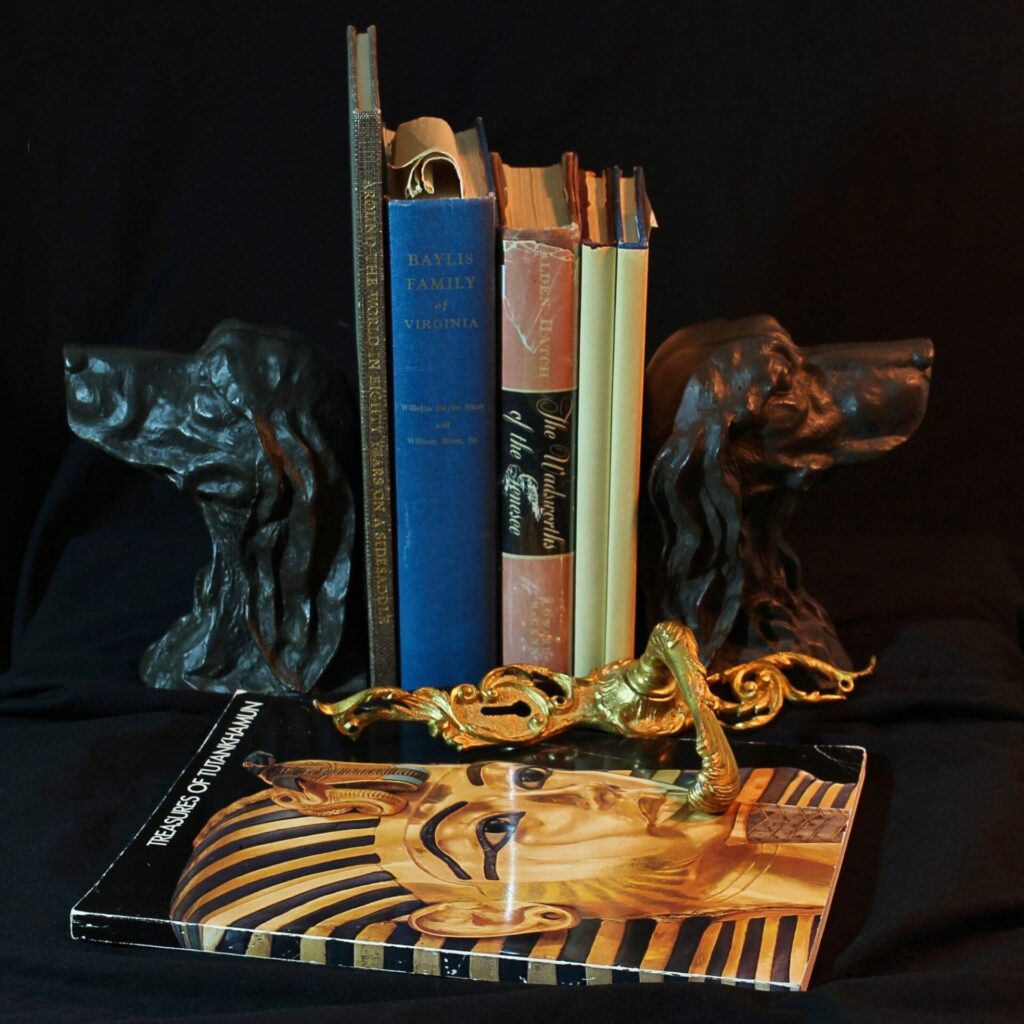
Sturdy bookends are essential to keep books upright and prevent them from leaning, which can damage the spines over time.
2. Importance of Spine Alignment and Ventilation
Ensure the spines are aligned evenly to reduce pressure on the binding. Proper ventilation is also important to avoid mold growth.
3. Avoid Overstacking on Shelves
Avoid stacking books horizontally in tall piles. This puts undue weight on the books at the bottom, potentially damaging their bindings and pages.
Handling Vintage Books
Always wash your hands before handling old books to prevent getting oils and grime on the fragile pages. Supporting the book properly helps prevent pressure on the spine, especially when reading or opening it. Food and beverages should also be kept out of reach because spills or crumbs might result in permanent harm. To further protect the book’s condition, use acid-free bookmarks rather than heavy bookmarks, metal clips, or sticky notes that could rip or dent pages.
Protective Measures for Vintage Books
1. Acid-Free Storage Boxes and Covers
Storing vintage books in acid-free boxes ensures that the paper and binding remain safe from chemical reactions that could deteriorate them over time. Acid-free materials prevent the paper from yellowing or becoming brittle, and custom covers add further protection from physical damage, especially during handling or transport.
2. Dust Jackets and Slipcases
Dust jackets and slipcases are ideal for shielding books from wear and tear. They protect the covers, prevent scuffing, and minimize exposure to harmful elements like dust and sunlight. Slipcases are particularly beneficial for delicate, high-value editions.
3. Moisture Control Solutions
Maintaining a stable humidity level is crucial for book preservation. Using silica gel packets or humidity control devices in storage areas helps prevent excess moisture, which can lead to mold, mildew, and warping of pages. These solutions are especially useful in environments prone to high humidity, keeping books in optimal condition.
Regular Inspections and Care
Maintaining the longevity of vintage books requires routine inspections. It’s crucial to routinely inspect your collection for physical damage like tears or weak bindings, insects like bookworms or silverfish, and indications of mold. Humidity is a breeding ground for mold, and bugs can destroy paper or binding glue, causing irreversible damage. Early intervention can stop these problems from spreading. Furthermore, dust and dirt can build up and draw bugs or cause degradation over time, so gently cleaning book surfaces with a soft, dry cloth can help get rid of them. Books that receive regular care stay in perfect condition and hold their value.
Examples from The Book Heritage
Here are 3 books that serve as specific examples on the extra care needed when it comes to storing vintage books:
- Pèlerinage à la Mecque et à Médine by Dr. Soubhy Saleh
This rare and delicate edition, with age-worn pages, should be kept in stable humidity and temperature to preserve its fragile binding. - L’Heptaméron ou l’Histoire Des Amans Fortunez” by Marguerite de Navarre
The book should be stored in a cool, stable environment with protection from dust and humidity. Using acid-free materials for covers and boxes can further safeguard its condition, ensuring its preservation for future generations. - “Mémoires Historiques, Politiques et Géographiques des Voyages…” by Comte Louis François de Ferrières-Sauveboeuf
Books like this one should be stored in a climate-controlled environment with stable temperature and humidity, kept out of direct light to prevent fading, and handled with clean, dry hands or gloves to protect the fragile pages and binding.
properly storing vintage books is essential to preserve their condition and value over time. From maintaining ideal temperature and humidity levels to carefully handling and cleaning the books, every step contributes to their longevity. Using protective measures like acid-free storage boxes and regular inspections ensures that these valuable items remain intact for future generations. With the right care, vintage books can retain their beauty and historical significance, offering both enjoyment and a lasting connection to the past. Implementing these techniques will safeguard your collection for years to come.
